
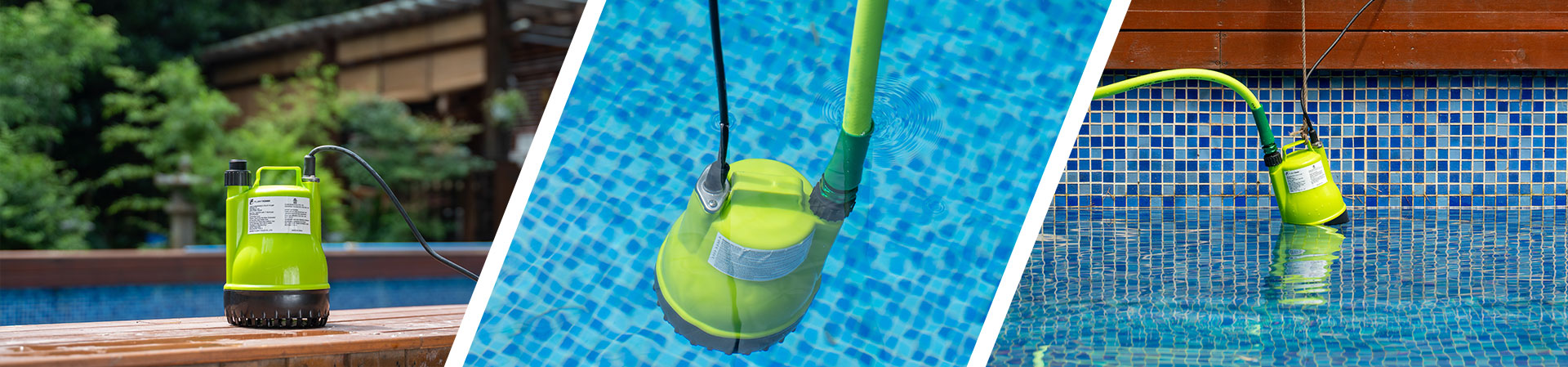
Summary: Submersible barrel pumps are advanced water pumping devices designed to extract water directly from barrels, tanks, or collected rainwater for irrigation and water transfer applications. This blog explores what makes these pumps efficient, versatile, and reliable, especially when irrigating gardens, farms, or remote water systems. We dive into design features, performance benefits, typical uses, selection guidelines, comparative advantages, and FAQs to help you make an informed purchase decision. Special focus is given to the FLUENTPOWER Submersible Barrel Pump as a representative product model with proven performance and adaptability.

1. Introduction to Submersible Barrel Pumps
Submersible barrel pumps are a specialized type of submersible clean water pump designed to be immersed directly into a water source like a barrel, rainwater tank, or reservoir. Unlike traditional above‑surface pumps that draw water through suction, submersible pumps push water up from within the liquid, which reduces energy loss and improves overall efficiency.
The submersible format enhances performance and reliability, especially when water sources are limited or hard to access. Pumps such as the FLUENTPOWER Submersible Barrel Pump are crafted with robust components and optimized flow designs for irrigation, water transfer, and garden watering tasks.
2. How Submersible Barrel Pumps Work
At the heart of every submersible pump is a sealed motor and impeller assembly that operates underwater. The motor drives the impeller, creating centrifugal force that moves water from the source location up through a discharge tube and into the irrigation network.
This underwater operation eliminates the need for priming and minimizes air lock issues that commonly occur with above‑surface pumps, making the setup simpler and more reliable for everyday use.
Basic Operating Steps:
- Immersion: Pump is placed directly into the barrel or water tank.
- Activation: Motor turns on to start impeller rotation.
- Water Intake: Water moves into the pump housing.
- Discharge: Water is pushed upward through the output pipe.
3. Key Features & Benefits
Submersible barrel pumps provide several remarkable benefits that make them ideal for small to medium irrigation systems:
| Feature | Benefit |
|---|---|
| Submersible Design | Efficient water movement without priming. |
| Compact & Portable | Easy installation and relocation. |
| Versatile Output Connections | Compatible with tubes and sprinklers for varied irrigation systems. |
| Efficient Flow & Head Performance | Delivers adequate water pressure and volume for irrigation needs. |
| Durable Seals & Materials | Ideal for long‑term outdoor use with minimal maintenance. |
Together, these features enable high performance even in limited water sources like rain barrels or shallow tanks used for garden irrigation.
4. Common Applications
Submersible barrel pumps are used across various scenarios, including:
- Garden and lawn irrigation from rain barrels or tanks
- Water transfer between containers
- Drip and sprinkler irrigation systems
- Temporary or remote field irrigation
- Tank, pond, or well water extraction
This flexibility means the same pump can be repurposed for multiple tasks around farms, gardens, and even emergency water supply situations.
5. Submersible Barrel Pumps vs Other Pump Types
In the table below, we compare submersible barrel pumps with traditional surface pumps and other submersible variants:
| Aspect | Submersible Barrel Pump | Traditional Surface Pump |
|---|---|---|
| Installation | Immersed, simple | Above water, requires priming |
| Energy Efficiency | High (pushes water) | Lower (pulls water) |
| Noise | Low (underwater operation) | High |
| Portability | Excellent | Varies |
| Best Use | Barrel, tank & irrigation | General water supply |
Overall, submersible barrel pumps typically offer superior efficiency and lower maintenance for watering tasks compared to common above‑surface pumps.
6. How to Choose the Right Pump
Selecting the right submersible barrel pump involves understanding your water system needs:
- Water Source Depth: Choose a pump with enough head to lift water to your desired discharge point.
- Flow Rate: Ensure the pump’s flow (L/H or GPH) matches your irrigation needs.
- Power Supply: Select the correct voltage (110V or 230V options are common).
- Installation Ease: Look for portable designs with simple hanger or handle mechanisms.
7. Frequently Asked Questions (FAQ)
Q: Can submersible barrel pumps handle dirty water?
A: Barrel pumps designed for clean water are optimized for relatively clean sources like rain barrels or tanks. For debris‑laden water, consider specialized dirty water submersible pump models.
Q: How deep can a submersible barrel pump operate?
A: Typical models are designed for shallow sources like barrels and small tanks—usually within a few feet of water depth.
Q: Are submersible barrel pumps energy efficient?
A: Yes, because the pump pushes water upward from within the liquid, it avoids the energy losses associated with suction‑based systems.
Q: Do I need a professional for installation?
A: Most models are designed for easy DIY installation, especially for garden and household irrigation.
8. Conclusion
Submersible barrel pumps provide an efficient, cost‑effective solution for barrel‑based irrigation and water transfer tasks. Their simple design, high energy efficiency, and adaptability make them ideal for gardeners, farmers, and water system operators who need reliable performance with minimal setup complexity. Among the noteworthy options, the FLUENTPOWER Submersible Barrel Pump stands out with proven field performance, robust build quality, and flexible application scope.
If you’re ready to optimize your irrigation setup or water transfer system, explore submersible barrel pump options and contact us for personalized recommendations and support!