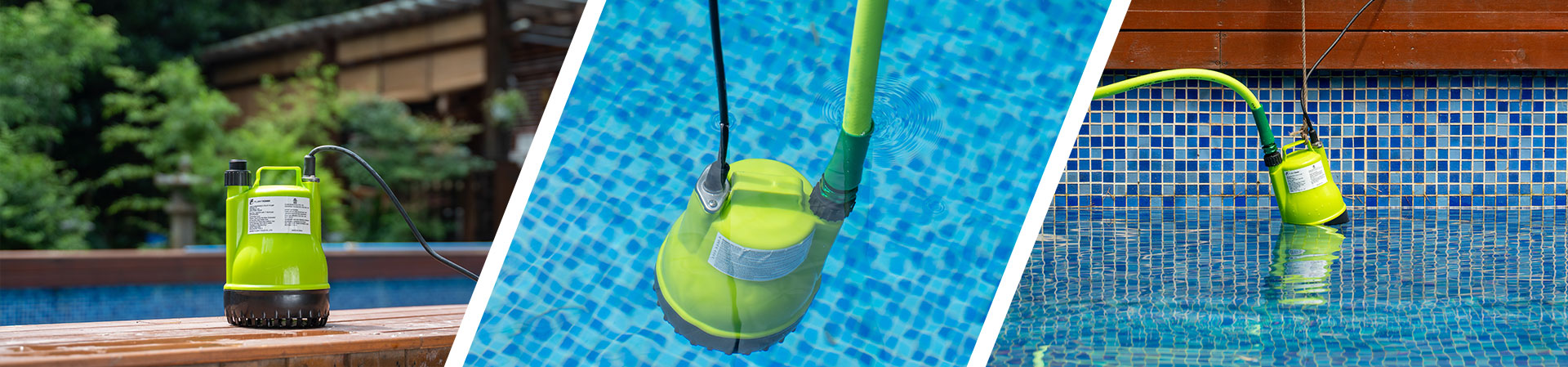
Industrial liquid transfer is a crucial process across industries such as chemical processing, pharmaceuticals, food production, and oil handling. Choosing the right pump significantly affects efficiency, safety, and operational cost. Among the various pump types available, the Submersible Barrel Pump has emerged as one of the most reliable solutions for transferring liquids from drums, barrels, and containers.
In this comprehensive guide, we explore how submersible barrel pumps work, their key advantages, application industries, selection criteria, and maintenance tips. This article also provides a detailed comparison with traditional drum pumps and offers practical advice for businesses looking to improve fluid transfer operations. The solutions provided by FLUENT demonstrate how modern pump technology improves safety, productivity, and efficiency in demanding industrial environments.
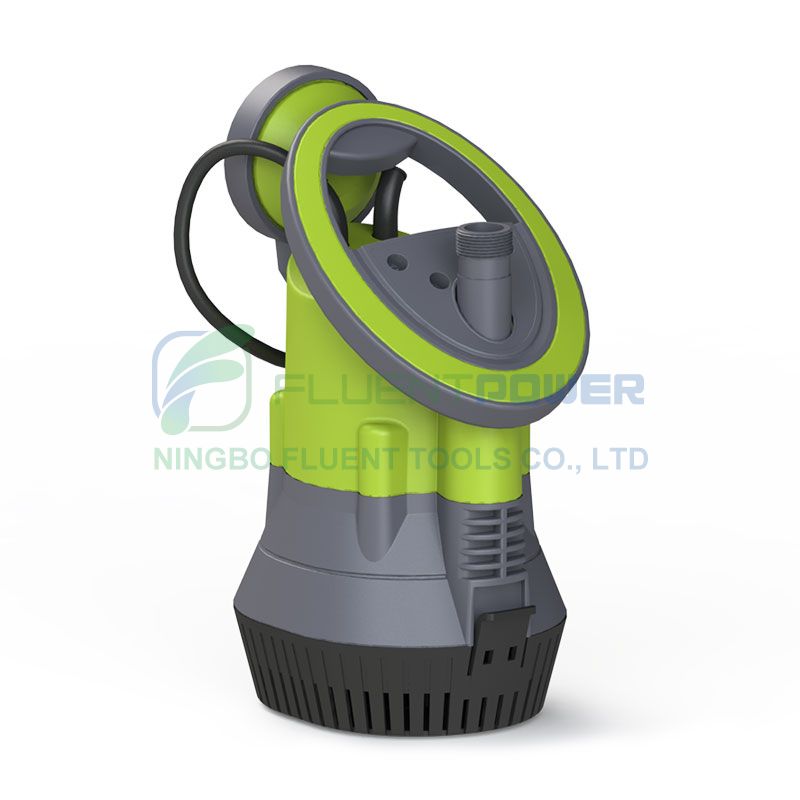
Table of Contents
What Is a Submersible Barrel Pump?
A Submersible Barrel Pump is a specialized liquid transfer pump designed to move fluids from drums, barrels, or large containers efficiently and safely. The pump is typically inserted vertically into the container, allowing it to draw liquid directly from the bottom and transfer it through a discharge hose.
Unlike traditional surface pumps, submersible barrel pumps operate while immersed in the liquid, which improves suction capability and prevents air intake during operation. This design makes them highly suitable for transferring chemicals, oils, solvents, and other industrial fluids.
Many modern pumps are engineered with corrosion-resistant materials such as stainless steel or polypropylene, making them ideal for handling aggressive liquids. For example, manufacturers such as FLUENT provide advanced solutions designed for durability, safety, and high transfer efficiency.
How Does a Submersible Barrel Pump Work?
The operating principle of a submersible barrel pump is relatively straightforward but highly effective for liquid handling operations.
The pump consists of a motor, a drive shaft, and an impeller or rotor mechanism housed within a long tube that fits into a barrel or drum. When the motor starts, the impeller rotates and creates suction, pulling liquid into the pump and pushing it through the discharge outlet.
Main Components
-
Electric or pneumatic motor
-
Drive shaft
-
Impeller or rotor assembly
-
Pump tube
-
Discharge hose
Because the pump operates within the liquid, it avoids many issues associated with suction lift limitations. This design results in more consistent flow rates and improved operational reliability.
Why Are Submersible Barrel Pumps Becoming Popular in Industry?
Industrial operations increasingly require safe and efficient methods for transferring liquids from containers. Traditional manual methods are not only inefficient but also pose risks such as spills, contamination, and worker injuries.
Submersible barrel pumps address these challenges by providing controlled and automated fluid transfer.
Key Reasons for Growing Popularity
-
Higher transfer efficiency
-
Reduced chemical exposure risks
-
Minimal liquid waste
-
Compatibility with hazardous materials
-
Improved workplace safety
As industries adopt stricter environmental and safety regulations, the demand for reliable pumping equipment continues to grow. Companies such as FLUENT are responding with advanced pump systems designed for modern industrial environments.
Key Advantages of Using a Submersible Barrel Pump
Choosing the right pump can dramatically improve operational efficiency. Below are the main advantages of using submersible barrel pumps.
1. Efficient Liquid Transfer
These pumps can transfer large volumes of liquid quickly, reducing production downtime and improving workflow efficiency.
2. Safe Chemical Handling
Since the pump operates inside the liquid container, the risk of splashing or exposure to hazardous chemicals is significantly reduced.
3. Versatility
Submersible barrel pumps can handle a wide range of fluids including:
-
Acids
-
Solvents
-
Lubricating oils
-
Food-grade liquids
-
Cleaning agents
4. Compact and Portable Design
Most models are lightweight and easy to install, making them suitable for mobile operations or temporary fluid transfer tasks.
5. Reduced Maintenance Requirements
With fewer external components exposed to wear, submersible pumps typically require less maintenance compared to traditional pumping systems.
Common Industrial Applications
Submersible barrel pumps are used across many industries due to their versatility and reliability.
|
Industry
|
Typical Applications
|
Liquids Handled
|
|
Chemical Industry
|
Drum transfer and chemical dosing
|
Acids, solvents, reagents
|
|
Food Processing
|
Liquid ingredient transfer
|
Syrups, oils, flavorings
|
|
Pharmaceuticals
|
Precise liquid handling
|
Medicinal liquids
|
|
Petroleum
|
Fuel and lubricant transfer
|
Diesel, oils
|
|
Manufacturing
|
Coolant and chemical movement
|
Industrial fluids
|
Submersible Barrel Pump vs Traditional Drum Pumps
To better understand the value of submersible barrel pumps, it is useful to compare them with conventional drum pumps.
|
Feature
|
Submersible Barrel Pump
|
Traditional Drum Pump
|
|
Installation
|
Inserted directly into liquid
|
Mounted externally
|
|
Efficiency
|
High flow rate
|
Moderate efficiency
|
|
Safety
|
Lower spill risk
|
Higher exposure risk
|
|
Maintenance
|
Low maintenance
|
Frequent servicing
|
|
Applications
|
Industrial chemical handling
|
Basic fluid transfer
|
How to Choose the Right Submersible Barrel Pump
Selecting the right pump requires evaluating several technical and operational factors.
Important Selection Criteria
-
Liquid properties – viscosity, temperature, and chemical compatibility
-
Flow rate requirements – determine the required pumping capacity
-
Material construction – stainless steel or polypropylene for corrosion resistance
-
Motor type – electric or pneumatic depending on safety requirements
-
Container size – pump tube length must match drum depth
Professional manufacturers like FLUENT provide customized solutions for different industrial environments, ensuring optimal pump performance and longevity.
Installation and Maintenance Best Practices
Proper installation and maintenance ensure that a submersible barrel pump operates efficiently for many years.
Installation Tips
-
Ensure the pump tube length matches the container depth
-
Secure discharge hoses properly
-
Verify electrical or pneumatic connections
-
Check material compatibility with the liquid
Maintenance Tips
-
Clean the pump after handling corrosive liquids
-
Inspect seals and impellers regularly
-
Lubricate moving parts if required
-
Store the pump in a dry environment
Future Trends in Industrial Barrel Pump Technology
Industrial pump technology continues to evolve with the integration of advanced engineering and smart monitoring systems.
Emerging trends include:
-
Smart pump monitoring systems
-
Energy-efficient motor designs
-
Improved corrosion-resistant materials
-
IoT-based maintenance tracking
These innovations are helping industries reduce operational costs while improving safety and productivity.
Frequently Asked Questions
1. What liquids can a submersible barrel pump handle?
Submersible barrel pumps can transfer a wide range of liquids including chemicals, oils, solvents, detergents, and food-grade fluids depending on the pump material.
2. Are submersible barrel pumps suitable for corrosive chemicals?
Yes. Pumps made from stainless steel or specialized polymers can safely handle corrosive substances such as acids and industrial chemicals.
3. What is the typical flow rate of a barrel pump?
Flow rates vary depending on the model, but many industrial pumps can transfer between 20 and 200 liters per minute.
4. Can these pumps be used in hazardous environments?
Yes. Pneumatic versions are often used in explosive or hazardous environments where electric motors may not be suitable.
5. How long does a submersible barrel pump last?
With proper maintenance, high-quality pumps from manufacturers such as FLUENT can operate reliably for many years.
Conclusion
The Submersible Barrel Pump has become an essential tool for modern industries requiring efficient, safe, and reliable liquid transfer. Its ability to operate directly within liquid containers provides superior performance compared with traditional pumping methods.
From chemical plants to food production facilities, these pumps deliver consistent results while improving operational safety and efficiency. By selecting the right pump design and maintaining it properly, businesses can significantly enhance productivity while minimizing environmental and operational risks.
If you are looking for high-performance industrial pumping solutions, the innovative products developed by FLUENT provide dependable technology tailored to demanding applications. For detailed product information, expert recommendations, and customized pump solutions, contact us today to discover how our equipment can optimize your fluid transfer operations.