
- English
- Español
- Português
- русский
- Français
- 日本語
- Deutsch
- tiếng Việt
- Italiano
- Nederlands
- ภาษาไทย
- Polski
- 한국어
- Svenska
- magyar
- Malay
- বাংলা ভাষার
- Dansk
- Suomi
- हिन्दी
- Pilipino
- Türkçe
- Gaeilge
- العربية
- Indonesia
- Norsk
- تمل
- český
- ελληνικά
- український
- Javanese
- فارسی
- தமிழ்
- తెలుగు
- नेपाली
- Burmese
- български
- ລາວ
- Latine
- Қазақша
- Euskal
- Azərbaycan
- Slovenský jazyk
- Македонски
- Lietuvos
- Eesti Keel
- Română
- Slovenski
- मराठी
- Srpski језик
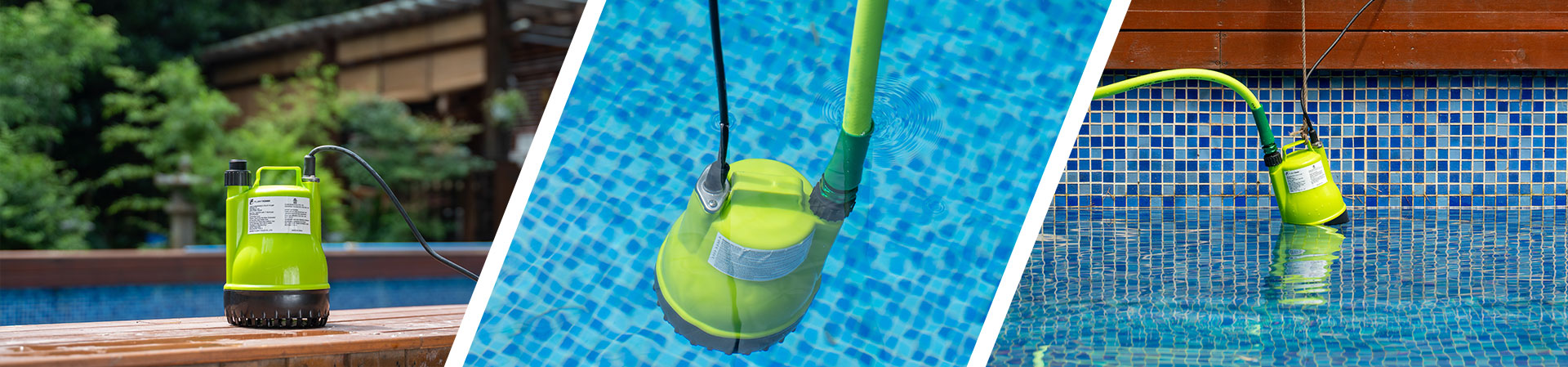
Why Is a Submersible Pressure Pump Essential for Modern Water Systems?
Submersible pressure pumps have become a cornerstone in modern water management, offering reliable pressure control and efficient water delivery. This article explores their design, benefits, applications, and maintenance while addressing common challenges faced by users. Ningbo Fluent Tools Co., Ltd. provides high-quality solutions to meet diverse pumping requirements.

Table of Contents
- Introduction to Submersible Pressure Pumps
- How Do Submersible Pressure Pumps Work?
- Types of Submersible Pressure Pumps
- Key Applications in Industry and Domestic Use
- Benefits of Using Submersible Pressure Pumps
- Installation and Maintenance Tips
- Common Issues and Troubleshooting
- Submersible Pressure Pumps vs. Conventional Pumps
- Frequently Asked Questions (FAQ)
- Conclusion
Introduction to Submersible Pressure Pumps
Water is an indispensable resource, and efficient water distribution is essential for homes, industries, and agriculture. Submersible pressure pumps are specialized devices designed to deliver water from deep wells, reservoirs, or tanks directly to the point of use while maintaining consistent pressure. Unlike surface pumps, these pumps are fully submerged, which reduces noise, increases efficiency, and prevents cavitation issues.
Ningbo Fluent Tools Co., Ltd. specializes in manufacturing high-quality submersible pressure pumps that cater to both residential and industrial needs, ensuring longevity and reliable performance.
How Do Submersible Pressure Pumps Work?
Submersible pressure pumps operate on a simple yet effective principle: the pump impeller pushes water to the surface while the pump casing is submerged underwater. The motor, sealed inside the pump housing, powers the impeller, which creates sufficient pressure to deliver water upward.
- Submerged Motor: The motor is designed to operate under water, which helps in cooling and reduces noise.
- Impeller Action: High-efficiency impellers push water toward the outlet while maintaining constant pressure.
- Sealing System: Prevents water from entering the motor compartment, ensuring long service life.
This design minimizes the risk of overheating, cavitation, and energy loss, making it ideal for continuous water delivery in various applications.
Types of Submersible Pressure Pumps
Understanding different types of submersible pressure pumps helps users select the right model for their needs. Below is a table summarizing common types:
| Type | Description | Best Use Case |
|---|---|---|
| Multistage Submersible Pump | Uses multiple impellers to generate high pressure. | High-rise buildings, industrial water systems. |
| Single-stage Submersible Pump | Single impeller design for moderate pressure. | Residential water supply, small irrigation systems. |
| Solar Submersible Pump | Powered by solar panels for energy efficiency. | Remote locations, eco-friendly water solutions. |
| Stainless Steel Submersible Pump | Corrosion-resistant design for harsh environments. | Seawater pumping, chemical industries. |
Ningbo Fluent Tools Co., Ltd. offers a wide range of these pumps, ensuring compatibility with various water systems and environmental conditions.
Key Applications in Industry and Domestic Use
Submersible pressure pumps are versatile and can be used in:
- Residential Use: Providing consistent water pressure in homes, gardens, and small farms.
- Industrial Use: Supporting manufacturing processes, cooling systems, and high-rise water supply.
- Agricultural Use: Irrigation, water transfer, and livestock watering systems.
- Municipal Water Systems: Feeding water into reservoirs, fountains, and firefighting systems.
The adaptability of these pumps makes them essential in both urban and rural environments, ensuring continuous and reliable water delivery.
Benefits of Using Submersible Pressure Pumps
Investing in a submersible pressure pump brings several advantages:
- Quiet Operation: Fully submerged design reduces operational noise.
- High Efficiency: Direct water lift reduces energy loss and ensures constant pressure.
- Durability: Corrosion-resistant materials and sealed motor design increase lifespan.
- Space Saving: Submersible pumps do not require extra surface space.
- Minimal Maintenance: Fewer moving parts and protected motors lower maintenance requirements.
Ningbo Fluent Tools Co., Ltd. emphasizes durability and energy efficiency, helping customers achieve maximum ROI with minimal operational issues.
Installation and Maintenance Tips
Proper installation and maintenance are critical to ensuring long-term pump performance. Key guidelines include:
- Ensure the pump is fully submerged at the recommended depth.
- Use appropriate cabling and electrical connections to avoid short circuits.
- Inspect and clean the pump impeller and intake regularly to prevent clogging.
- Check seals and bearings periodically for wear and replace when necessary.
- Install pressure switches or controllers to automate operation and protect the pump.
Ningbo Fluent Tools Co., Ltd. provides detailed manuals and support to ensure that each pump operates optimally from day one.
Common Issues and Troubleshooting
Even high-quality submersible pressure pumps can encounter problems. Common issues include:
- Low Water Pressure: Check for clogged filters or undersized piping.
- Overheating: Ensure proper submersion and cooling water flow.
- Motor Failure: Inspect electrical connections and seals.
- Vibrations or Noise: Ensure the pump is level and mounted securely.
With proper monitoring and preventive maintenance, most issues can be resolved quickly, minimizing downtime.
Submersible Pressure Pumps vs. Conventional Pumps
Choosing between submersible and conventional pumps depends on your water system needs. Here's a comparative overview:
| Feature | Submersible Pump | Conventional Surface Pump |
|---|---|---|
| Noise Level | Very low (submerged) | Higher, requires housing |
| Energy Efficiency | High, less energy loss | Moderate, more friction losses |
| Maintenance | Low to moderate | Moderate to high |
| Installation Flexibility | Requires water body/submersion | Flexible, can be installed on land |
| Lifespan | Long (sealed motor) | Moderate |
For most modern water systems, submersible pressure pumps provide superior efficiency and reliability, making them the preferred choice for long-term investment.
Frequently Asked Questions (FAQ)
Q1: How deep can a submersible pressure pump operate?
A1: Most pumps can operate at depths ranging from 5 meters to over 100 meters, depending on the model and manufacturer specifications. Ningbo Fluent Tools Co., Ltd. provides detailed depth ratings for each pump.
Q2: Can submersible pumps handle dirty water?
A2: Yes, some models are designed to handle water with small particles, but it's important to check the maximum allowable solids size for each pump.
Q3: What is the expected lifespan of a submersible pressure pump?
A3: With proper maintenance, high-quality pumps can last 10-15 years or more.
Q4: How do I choose the right pump for my system?
A4: Consider water depth, required pressure, flow rate, and environmental conditions. Ningbo Fluent Tools Co., Ltd. offers expert guidance to select the optimal pump for any scenario.
Conclusion
Submersible pressure pumps play a critical role in modern water systems, offering efficiency, reliability, and durability. Their versatility in residential, industrial, and agricultural applications makes them indispensable for consistent water delivery. Choosing a high-quality pump from a trusted manufacturer like Ningbo Fluent Tools Co., Ltd. ensures long-term performance and peace of mind.
Invest in a submersible pressure pump today to enjoy reliable water pressure, reduced maintenance, and optimized system performance. Contact Us for customized solutions and expert support.