A Booster Pressure System plays a vital role in ensuring consistent water pressure across residential, commercial, and industrial environments. Whether dealing with low municipal pressure, high-rise buildings, or irrigation challenges, these systems provide reliable solutions. This comprehensive guide explores how booster pressure systems work, their benefits, applications, selection criteria, installation practices, and maintenance strategies—helping you make informed decisions while addressing real-world pressure-related issues.
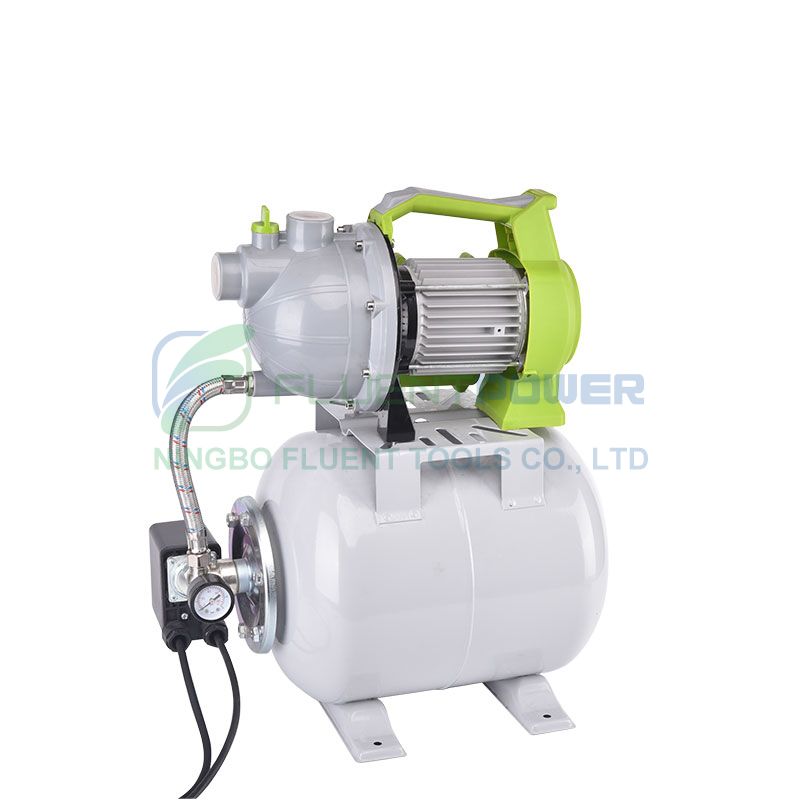
Table of Contents
1. What Is a Booster Pressure System?
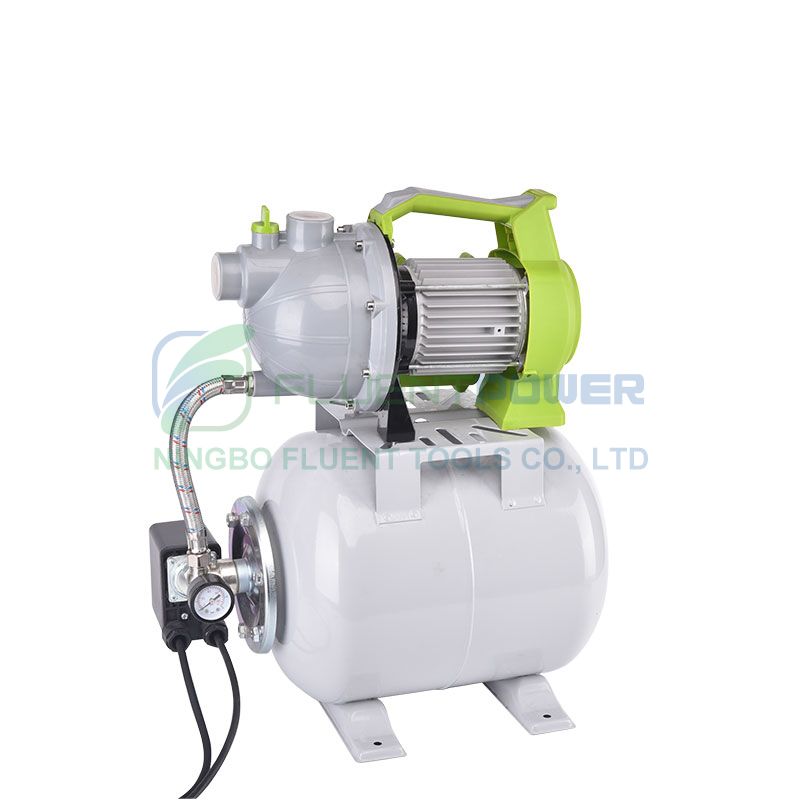
A Booster Pressure System is a mechanical setup designed to increase water pressure in a pipeline or distribution system. It typically consists of pumps, motors, pressure sensors, control panels, and sometimes storage tanks. These systems are widely used when the existing pressure is insufficient to meet operational or comfort needs.
In modern infrastructure, especially in urban environments with multi-story buildings, water pressure from municipal sources often falls short. Booster systems compensate for this by ensuring consistent flow and pressure.
2. Common Water Pressure Problems
Low water pressure is more than just an inconvenience—it can disrupt operations and reduce efficiency. Below are the most frequent issues:
-
Weak shower flow in residential buildings
-
Inconsistent pressure in high-rise apartments
-
Insufficient irrigation pressure in agriculture
-
Equipment malfunction in industrial settings
-
Delayed water supply in commercial kitchens or hotels
|
Problem
|
Impact
|
Solution
|
|
Low municipal pressure
|
Poor water delivery
|
Install booster pump
|
|
High building elevation
|
Upper floors lack pressure
|
Multi-stage booster system
|
|
Peak usage hours
|
Pressure drops
|
Variable frequency drive system
|
3. How Does a Booster Pressure System Work?
The core function of a booster system is simple: it increases water pressure using one or more pumps. However, modern systems are highly intelligent and adaptive.
Key components include:
-
Pump: Moves water and increases pressure
-
Motor: Powers the pump
-
Pressure Sensor: Monitors system pressure
-
Controller: Adjusts pump speed automatically
-
Check Valves: Prevent backflow
When water demand increases, the system detects a drop in pressure and activates the pump. Advanced systems adjust speed dynamically, ensuring energy efficiency and stable output.
4. Types of Booster Pressure Systems
Different environments require different system designs. Here are the most common types:
-
Single Pump Systems: Ideal for small homes
-
Multi-Pump Systems: Used in large buildings
-
Variable Frequency Drive (VFD) Systems: Energy-efficient and adaptive
-
Constant Pressure Systems: Maintain steady output
-
Tank-Based Systems: Include storage for backup supply
5. Key Benefits of Using a Booster System
Installing a booster pressure system offers multiple advantages:
-
Consistent water pressure across all outlets
-
Improved comfort in residential use
-
Enhanced operational efficiency in industries
-
Energy savings with modern control systems
-
Reduced wear on plumbing infrastructure
Businesses looking to improve performance and reliability often turn to trusted manufacturers like Ningbo Fluent Tools Co., Ltd.. If you're considering upgrading your system, contact us today to explore tailored solutions that meet your specific needs.
6. Typical Applications Across Industries
Booster systems are versatile and widely used:
-
Residential: Apartments, villas, high-rise buildings
-
Commercial: Hotels, malls, office buildings
-
Industrial: Manufacturing plants, cooling systems
-
Agricultural: Irrigation and water distribution
-
Municipal: Water supply networks
7. How to Choose the Right System
Selecting the correct booster system requires careful consideration of several factors:
|
Factor
|
Description
|
|
Flow Rate
|
Amount of water needed per minute
|
|
Pressure Requirement
|
Desired output pressure
|
|
Building Height
|
Impacts pressure loss
|
|
Energy Efficiency
|
Operating cost considerations
|
|
System Control
|
Manual vs automatic systems
|
Consulting experts from Ningbo Fluent Tools Co., Ltd. can simplify this process. Contact us for professional guidance and customized recommendations.
8. Installation Best Practices
Proper installation ensures optimal performance and longevity:
-
Install in a well-ventilated, dry area
-
Ensure correct pipe sizing
-
Use vibration dampeners
-
Install pressure gauges for monitoring
-
Follow manufacturer guidelines strictly
Professional installation is highly recommended to avoid costly mistakes.
9. Maintenance and Troubleshooting
Routine maintenance keeps your system running efficiently:
-
Inspect pumps and motors regularly
-
Check for leaks and corrosion
-
Clean filters and valves
-
Monitor pressure readings
-
Schedule periodic servicing
Common Issues:
-
Noise or vibration → Check alignment
-
Pressure fluctuations → Inspect sensors
-
Pump not starting → Electrical issue
10. Booster Systems vs Alternatives
|
Feature
|
Booster System
|
Gravity Tank
|
|
Pressure Stability
|
High
|
Low
|
|
Installation Cost
|
Moderate
|
Low
|
|
Energy Efficiency
|
High (with VFD)
|
Depends on design
|
|
Space Requirement
|
Compact
|
Large
|
11. Frequently Asked Questions
Q1: Can a booster pressure system increase water flow as well?
Yes, by increasing pressure, it often improves flow rate, depending on pipe conditions.
Q2: Is it suitable for small homes?
Absolutely. Compact systems are designed specifically for residential use.
Q3: How much energy does it consume?
Modern systems with variable speed drives are highly energy-efficient.
Q4: Do I need professional installation?
While not mandatory, professional installation ensures safety and optimal performance.
Q5: How long does a booster system last?
With proper maintenance, systems can last 10–15 years or more.
Conclusion
A Booster Pressure System is an essential solution for addressing water pressure challenges across various environments. From improving daily comfort to enhancing industrial productivity, its benefits are undeniable. By understanding how these systems work and choosing the right configuration, users can achieve reliable and efficient water distribution.
If you're ready to upgrade your water pressure system, Ningbo Fluent Tools Co., Ltd. offers dependable solutions tailored to your needs. Contact us today to get expert advice and take the first step toward a more efficient water system.